
Fence Installation in Sarnia: Timeline and Backyard Preparation Guide
Fence installation in Sarnia involves planning before the crew arrives as well as construction in the yard. Measurements, design decisions, utility locates and access arrangements all affect when work can begin. A useful timeline separates those steps instead of promising that every fence takes the same number of days. Here is what to prepare, what to confirm with your contractor and how to keep the project moving.
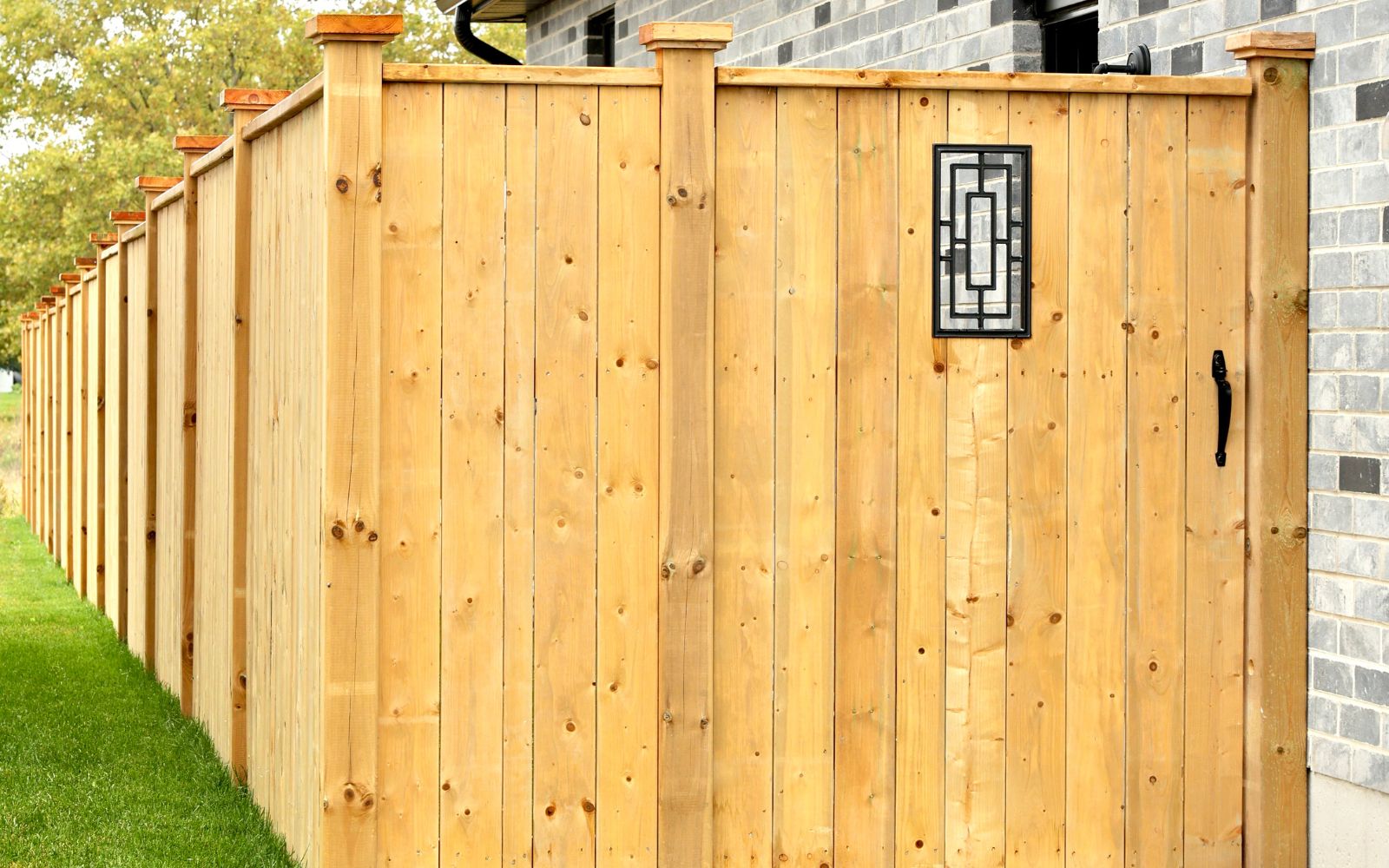
Treat the installation date as one part of the schedule
The first available construction day is not the only date that matters. Your contractor also needs a confirmed route, material selection and a clear scope. If those decisions change late, the installation plan may need to change with them.
Ask for two estimates: the lead time before work starts and the expected time on site. These describe different things. Material availability, the size of the fence, removal work, excavation conditions and weather can affect the schedule.
For a small, accessible yard, the construction sequence may be straightforward. A longer fence with several gates, demolition and difficult access requires a different plan. DMC should confirm the anticipated sequence for your actual project rather than applying a fixed duration to every property.
A practical fence installation timeline for Sarnia
| Stage | What happens | Homeowner preparation | Possible scheduling issue |
|---|---|---|---|
| Consultation and measure | Route, goals and access are reviewed | Gather photos, dimensions and boundary information | Unresolved route or property line |
| Design and quote | Style, gates and scope are agreed | Confirm the written inclusions | Late material or layout changes |
| Preconstruction | Materials, locates and work dates are coordinated | Prepare access and identify private services | Missing locate responses or materials |
| Site work | Removal, excavation and fence construction | Keep people and pets clear of the work area | Obstructions or unsuitable conditions |
| Handover | Operation, cleanup and care are reviewed | Walk the fence with the contractor | Items needing completion or adjustment |
Ask which stages need your presence. A short decision meeting before digging can be more helpful than trying to resolve gate positions by phone once posts are already laid out.
Confirm the route, boundary and gate positions first
Walk the intended fence line and identify the endpoints, corners and connections. Do not assume an old fence proves the property boundary. Have uncertainties resolved before construction. Share relevant property information with your contractor and obtain survey advice where needed.
Mark proposed gate openings on your sketch. Note the direction each gate should swing and what will pass through it. Consider access to a shed, a mower storage area and any future deck or landscape project. Check the whole route, including narrow points near the house.
For a Sarnia property with a fence near a driveway or street, review location-specific rules early. Our Sarnia fence bylaws guide and the City’s residential fence brochure are starting resources. Confirm current requirements for your property, especially for a pool enclosure.
Arrange utility locates before excavation
Ontario Dig Authority’s public utility locate guidance says to request a single-address locate at least five business days ahead and wait for every notified infrastructure owner’s response before digging. Confirm with the contractor who will submit the request and review the complete locate package.
Public locates do not cover every privately owned buried service. Tell the contractor about lines to sheds, lighting, barbecues, pool equipment and irrigation. Arrange private locating where required. Keep markings visible and have changes to the excavation area addressed before work proceeds.
Put that discussion into the preconstruction checklist. An old drawing or your memory of where a line runs is useful background, but it should not replace the locating process. Fence-post excavation needs the same careful preparation as a larger digging project.
Prepare access without clearing more than necessary
Agree on an access route from the street or driveway to the fence line. Move vehicles, furniture, planters and toys that block that route. Ask what working space the crew needs rather than stripping the entire yard unnecessarily.
Point out features that must be protected, including irrigation heads, garden borders and low branches. Discuss where materials and removed fence sections will be placed. If access crosses lawn or paving, agree on any protection measures before deliveries arrive.
For an established Sarnia backyard, a narrow side passage may affect equipment access and how materials are carried. Send a photo and approximate width before the start date. A locked gate or tight corner is easier to plan around when the contractor knows about it in advance.
Make a temporary plan for pets, children and neighbours
If an existing fence is coming down, the yard may be open during construction. Arrange an alternative secure area for pets and supervise children away from the work zone. Tell the contractor if maintaining a continuous enclosure is an essential requirement so it can be discussed before removal.
Let affected neighbours know when access or noise is expected. Confirm whether any work needs permission to enter their property. Discuss shared planting, gates and items attached to the old fence before the crew encounters them.
Keep one point of contact available for decisions. If the route or gate position needs adjustment, a timely answer can help avoid disruption. Ask how the contractor will communicate changes and obtain approval for additional work.
What to expect while the fence is built
Work may include dismantling an old fence, laying out posts, excavation, setting supports, framing and installing boards or panels. The exact sequence depends on the system. Any required curing or waiting period should follow the selected materials and construction method.
Weather and ground conditions can affect access and excavation. Ask how updates will be handled if the planned sequence changes. Avoid setting a landscaping delivery or backyard event immediately after an unconfirmed completion date.
Use our guide to selecting a fence installation contractor to compare communication and scope questions before hiring. For the available materials and examples, visit DMC’s Sarnia fence installation service page.
Finish with a walkthrough and care information
At handover, walk the full fence line and open and close every gate. Review latch operation, visible finishes, transitions and cleanup. Identify any outstanding items together and record the agreed next step.
Ask when the fence can be used normally and what care the materials require. For wood, confirm instructions before applying a finish. Keep the scope, product information and maintenance guidance where you can find them later.
Before you commit to a design, the DMC fence cost calculator can help establish a starting budget. DMC Custom Creations can then review your measurements and access requirements to put the schedule and scope into context.
Frequently asked questions
How long does fence installation in Sarnia take?
It depends on length, design, access, removal work, excavation conditions and materials. Ask for the lead time before starting and the expected on-site duration as separate estimates.
Do I need to be home throughout installation?
Confirm this with your contractor. You may need to be present for layout decisions and the final walkthrough, while remaining reachable during other stages. Access arrangements should be agreed before the start date.
Can the crew reuse my existing fence route?
Possibly, but the old route should not be treated as proof of the property boundary. Confirm the intended line, site conditions and any location-specific requirements before rebuilding.
What happens to my pets while the fence is removed?
Arrange a separate secure area before demolition. Do not assume the yard will remain enclosed throughout the job. Discuss any temporary containment requirement while the work is being planned.
Should I stain a new wood fence immediately?
Follow the instructions for the actual lumber and coating product. Ask the contractor about drying conditions and preparation rather than using a fixed waiting period for every fence.