Table of Contents
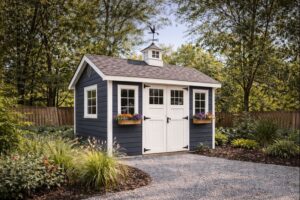
Investing in custom sheds is one of the most practical upgrades a homeowner in London, Ontario can make. Whether you need organized storage, a backyard workshop, or a dedicated space that complements your home, a custom-built shed offers far more flexibility and longevity than prefabricated options.
Many homeowners searching for sheds in London quickly realize that off-the-shelf models often fall short. Poor materials, limited sizing, and generic designs rarely suit real properties or long-term needs. This guide explains what to consider before building a custom shed and how to ensure it’s designed properly for London homes and local regulations.
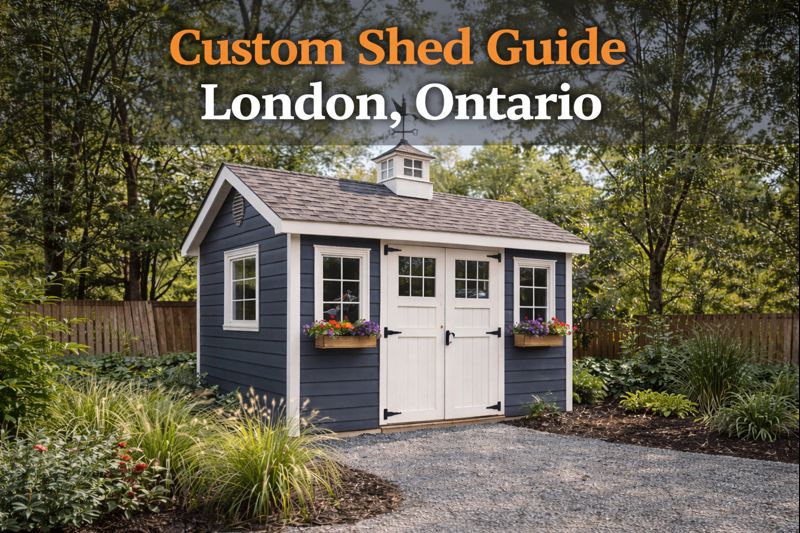
Why Custom Sheds Make Sense for London Homes
London has a wide mix of housing styles, from older neighbourhoods with limited storage to newer subdivisions with larger yards. In both cases, garage space fills up fast.
Custom sheds allow homeowners to:
Add usable storage without expanding the home
Create purpose-built spaces for tools, hobbies, or equipment
Improve backyard organization and appearance
Increase property functionality without major renovation work
A well-designed shed should feel like a natural extension of the property, not an afterthought.
Custom Sheds vs Pre-Built Sheds: What’s the Real Difference?
The main difference comes down to design control and durability.
Pre-built sheds are mass-produced. Sizes are fixed. Materials are often selected to reduce cost, not extend lifespan. They may look fine initially but can struggle with Ontario weather over time.
Custom sheds are designed around:
Your exact yard dimensions
Intended use, now and in the future
Local climate and snow load requirements
Visual consistency with your home
For many homeowners in London, custom sheds provide better value long term, even if the upfront investment is higher.
Understanding Shed Bylaws and Permits in London, Ontario
Before building a shed, it’s important to understand local zoning and building rules. London has regulations that may affect:
Maximum shed size
Overall height
Distance from property lines
Lot coverage limits
Some smaller accessory structures may not require permits, but larger or permanent sheds often do. This is especially important for sheds used as workshops or storage for heavier equipment.
Homeowners should review official guidelines through the
City of London Building Division.
A professional shed builder should address permit requirements during the planning stage, not after construction begins.
Choosing the Right Size for a Custom Shed
One of the most common mistakes homeowners make is underestimating how much space they need.
Typical custom shed sizes in London include:
8×10 for seasonal storage
10×12 for lawn equipment and tools
12×16 or larger for workshops or hobby spaces
When planning size, think beyond current needs. A shed that feels oversized on paper often proves just right once it’s in use.
Materials That Perform Well in Ontario Weather
London’s climate includes snow, moisture, and freeze–thaw cycles. Material selection directly affects how long a shed lasts.
Structural Framing
Pressure-treated lumber is commonly used for framing and ground contact. It resists moisture and decay better than untreated wood.
Siding and Roofing
Engineered wood, vinyl siding, or properly finished wood siding perform well when installed correctly. Asphalt shingles or metal roofing provide long-term protection when paired with proper ventilation.
Ventilation is especially important to prevent moisture buildup inside the shed.
Features Worth Adding to a Custom Shed
Many homeowners regret skipping features that are easy to include during construction.
Consider adding:
Double doors for equipment access
Windows for natural light
Reinforced floors for heavier loads
Electrical rough-ins for future use
Interior shelving or loft storage
These upgrades improve usability and often cost less during the build than retrofitting later.
What Impacts the Cost of Custom Sheds in London
Custom shed pricing depends on several factors. Understanding them helps homeowners compare quotes accurately.
| Factor | Impact on Cost | Why It Matters |
|---|---|---|
| Shed Size | High | Larger sheds require more materials and labour |
| Foundation Type | Medium | Concrete bases improve stability and longevity |
| Material Selection | Medium | Higher-quality materials last longer in Ontario weather |
| Custom Features | Low–Medium | Doors, windows, and shelving add usability |
Why Working With a Local Shed Builder Matters
Local experience makes a difference. A builder familiar with sheds in London understands:
Local soil and drainage conditions
Seasonal build timing
Permit expectations
Design styles that suit area homes
At DMC Custom Creations, we design and build custom sheds that are functional, durable, and tailored to real properties.
If you’re planning a shed project, you can speak with our team here:
https://dmccustomcreations.com/contact/
Frequently Asked Questions About Custom Sheds in London, Ontario
Permit requirements depend on shed size, height, and placement. Larger or permanent structures often require permits, while smaller sheds may not.
Concrete pads, concrete piers, or engineered bases provide the most long-term stability in Ontario’s climate.
Most custom sheds take 1–2 weeks to complete once design, materials, and permits are finalized.
Yes. Custom sheds can be designed with matching siding, trim, roofing, and colours for a cohesive look.
For homeowners planning to stay long-term, custom sheds typically offer better durability, functionality, and overall value.